
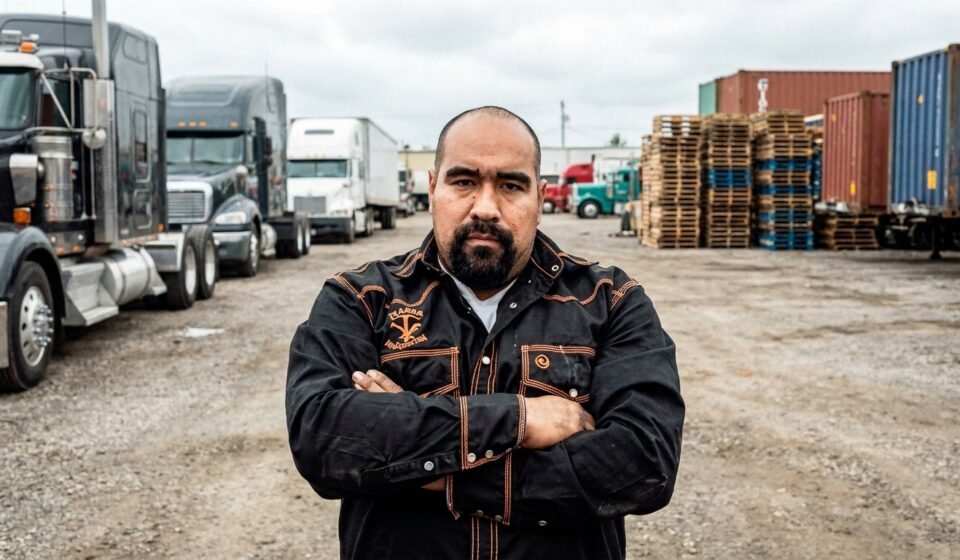
Navigating Multiple Identities Associated With Juan Ibarra
Juan Ibarra is a name that appears across different regional archives, pointing to distinct historical actors rather than a single globally recognized figure. Because the name surfaces in various Latin American historical records, researchers often face the task of separating military personnel from local civic figures. Understanding these distinctions prevents common errors in genealogy and regional history. Archival specialists emphasize checking primary documents carefully to ensure each individual’s record remains accurate and distinct.
Historical confusion frequently arises when secondary sources blend stories from different centuries or geographic areas. Writers often rely on generalized narratives that blur the lines between early political figures and later professional profiles. Setting clear contextual boundaries allows researchers to examine actual documentation rather than repeating unverified folklore or broad assumptions about anyone bearing this name.
Overview Table of Historical Contexts
This table summarizes the primary research areas and documentation types linked to records for Juan Ibarra.
| Research Category | Primary Documentation Type | Common Regional Focus |
|---|---|---|
| Military Archives | Enlistment forms, campaign reports | Latin American regional history |
| Civic Governance | Government gazettes, local petitions | Municipal administrative records |
| Genealogical Studies | Parish registers, birth and death logs | Local church and civil archives |
Documented Origins in Regional Archives
Archival records show that individuals named Juan Ibarra typically emerged from specific local environments shaped by nineteenth-century political shifts. Town registries and parish books from various regions provide the foundational proof of birth dates, family names, and residential locations. These foundational documents help historians trace how local families interacted with changing municipal governments during periods of civil transition.
Accessing these older paper files often requires visiting physical repositories or examining digitized church manuscripts. Many small towns maintained meticulous handwritten logs of baptisms and marriages, offering clear insights into early domestic life. These primary sources remain essential for confirming any detailed biographical timeline associated with the name.
Official Actions in Military and Civic Roles
Historical registries frequently connect the name Juan Ibarra to regional defense units and local civil administration. Government dispatches from past eras document how certain individuals served in regional militias or participated in municipal councils during times of political restructuring. These official mentions provide concrete evidence of public duties carried out under local authorities.
While military campaign logs detail active service participation, they rarely capture personal motivations or private thoughts. Historians must interpret these service records alongside contemporary newspaper reports or legislative petitions to form a complete picture of public involvement. Balancing official duty records with community correspondence ensures a grounded historical perspective.
Documentary Gaps and Research Limitations
Investigating historical figures named Juan Ibarra involves navigating significant gaps caused by lost papers and damaged municipal archives. Many nineteenth-century local government buildings suffered fires, floods, or neglect, destroying vital demographic ledgers. This scarcity of complete data often leaves modern researchers with fragmented timelines and unanswered questions about specific personal milestones.
Furthermore, historians must remain cautious about accepting unverified local traditions that lack documentary support. Relying solely on oral histories without archival backing can lead to inaccurate portrayals of public actions and achievements. A disciplined historical approach requires acknowledging these missing pieces rather than inventing details to fill narrative voids.
Preserving Local Heritage and Regional Memory
The study of regional names like Juan Ibarra contributes directly to the preservation of local community heritage and grassroots history. Academic researchers and local historians work continuously to digitize surviving papers and make them accessible to the public. For those interested in broader historical methodology, exploring archives can also reveal unsung contributions, much like uncovering the past in our guide on Joylette Goble: Unsung NASA Mathematician and Orbital Mechanics Pioneer.
Keeping local histories accurate ensures that regional contributions are remembered correctly by future generations. Document-based research transforms scattered names into clear records of human experience within specific communities. This ongoing archival work safeguards the true details of regional history against fading memory and speculation.
Frequently Asked Questions About Juan Ibarra
Who is Juan Ibarra in historical records?
Juan Ibarra is a name shared by multiple distinct historical figures, primarily documented in Latin American regional and military archives.
Are all records for Juan Ibarra about the same person?
No, archival research shows that the name belongs to several different individuals across various centuries and geographic locations.
What types of documents mention Juan Ibarra?
Surviving records include military enlistment logs, parish baptism registries, municipal council petitions, and regional government gazettes.
What are the main challenges when researching this name?
Primary obstacles include lost municipal papers, incomplete family ledgers, and the risk of confusing similarly named historical actors.
Disclaimer: Historical records regarding the name Juan Ibarra vary depending on regional archives and source materials. Readers should consult official documents and verified historical repositories for exact details.

Written by Hassan, founder of Next Flight Magazine — an independent biography project. Every article is cross-checked against multiple public sources before publishing; see how on the Sourcing Standards page.


[…] and archival recovery methods, comparing profiles can be helpful, much like looking into the archival records behind Juan Ibarra to understand how researchers handle missing […]