
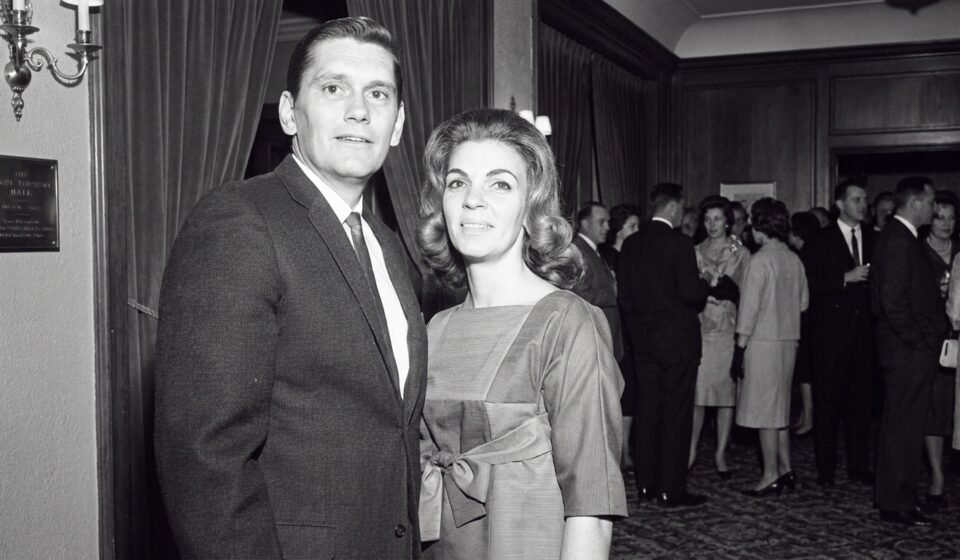
Who Was Joan Alt
Joan Alt is a historical figure known mostly through literary archives rather than mainstream public fame.
Joan Alt lived quietly in New York during an era of significant cultural and artistic shift, remaining entirely outside the spotlight of public entertainment or professional writing. Because Joan Alt did not seek out a career in the arts or leave behind an extensive collection of personal diaries, most modern knowledge comes entirely from the perspectives of other people. Historians and literary researchers studying early twentieth-century American culture occasionally encounter the name Joan Alt when examining the social circles surrounding emerging artists of that period.
Readers searching for records about Joan Alt often find that standard biographical volumes contain very sparse details. This limited availability of source material means that every single verified document helps shape a more complete picture of the everyday environment Joan Alt experienced. Unlike figures who documented their own journeys, Joan Alt relied on the observations of family members and acquaintances to preserve the basic facts of her existence for future generations.
Connection to Henry Miller
Joan Alt is primarily connected to literary history through an early marriage to the famous author and filmmaker Henry Miller.
Henry Miller married Joan Alt in 1917, long before Henry Miller achieved international literary recognition with groundbreaking novels like Tropic of Cancer. Historical documents show that the early years of their marriage were marked by intense financial strain and deep domestic pressure as Henry Miller struggled to establish a stable career in New York. Biographers frequently note that Joan Alt managed a difficult household during a time when regular employment was hard to secure and artistic ambitions often overshadowed basic domestic needs. Henry Miller wrote extensively about the hardships of those early years, giving modern readers a rare glimpse into the daily reality that Joan Alt navigated.
The marriage ultimately dissolved as Henry Miller pursued unconventional paths and struggled with personal responsibilities. While Henry Miller went on to become a towering figure in modern literature, Joan Alt returned to a private life away from public scrutiny. This sharp contrast between the husband’s lasting fame and the wife’s quiet obscurity makes the history of Joan Alt a fascinating study in how biographical records preserve some lives while letting others fade into silence.
Life Events and Timeline
A structured timeline provides a clear overview of the confirmed milestones in the life of Joan Alt.
The table below outlines key dates and events recorded in historical archives regarding Joan Alt.
| Year | Event |
|---|---|
| 1917 | Married Henry Miller in New York |
| 1919 | Birth of daughter Barbara |
| 1923 | Legal separation and divorce |
These documented milestones offer a factual framework for understanding the chronology of Joan Alt without relying on romanticized speculation. Each entry represents a verified turning point recorded in public registries or biographical studies of the period.
Real Challenges and Historical Scarcity
Examining the life of Joan Alt presents notable obstacles due to the extreme scarcity of primary source documents.
Joan Alt left behind no personal memoirs, letters, or public statements that survived in institutional archives. Consequently, historians are forced to rely heavily on the writings of Henry Miller, which are often emotionally charged, subjective, or shaped by the author’s distinct literary perspective. This reliance introduces significant bias, as Henry Miller portrayed their marriage through his own artistic lens during a period of intense personal struggle. Readers must therefore approach these accounts with caution, recognizing that literary narratives do not always capture objective historical reality.
Furthermore, society during the early twentieth century rarely documented the individual achievements or private struggles of women who married artists unless those women actively sought public roles. This institutional silence means that many details about the personal thoughts, career pursuits, and later years of Joan Alt remain entirely unknown. Acknowledging these severe historical gaps prevents researchers from mistaking literary fiction or dramatic exaggeration for verified biographical truth.
For readers interested in exploring broader cultural topics, you can read more about travel guides by checking out resources like this guide on Canyonlands National Park sights for inspiration.
Frequently Asked Questions
Who was Joan Alt?
Joan Alt was an American citizen best known as the first wife of renowned author Henry Miller during the early part of the twentieth century.
When did Joan Alt marry Henry Miller?
Joan Alt married Henry Miller in 1917 in New York City during the struggling early years of the author’s career.
Did Joan Alt have any children?
Joan Alt and Henry Miller shared a daughter named Barbara, who was born in 1919.
Why is information about Joan Alt so limited?
Joan Alt lived a strictly private life without pursuing a public career, leaving modern historians to rely primarily on scattered mentions in Henry Miller’s letters and memoirs.
When did Joan Alt and Henry Miller divorce?
Joan Alt and Henry Miller separated and finalized their divorce in the early 1920s as personal and financial pressures mounted.
Did Joan Alt leave behind any personal writings?
No personal diaries, letters, or memoirs authored by Joan Alt have been discovered or preserved in public archives.
Please note that historical details regarding individuals on the periphery of famous literary figures can vary by source. Readers are encouraged to verify facts from reliable biographical texts and official archives.

Written by Hassan, founder of Next Flight Magazine — an independent biography project. Every article is cross-checked against multiple public sources before publishing; see how on the Sourcing Standards page.